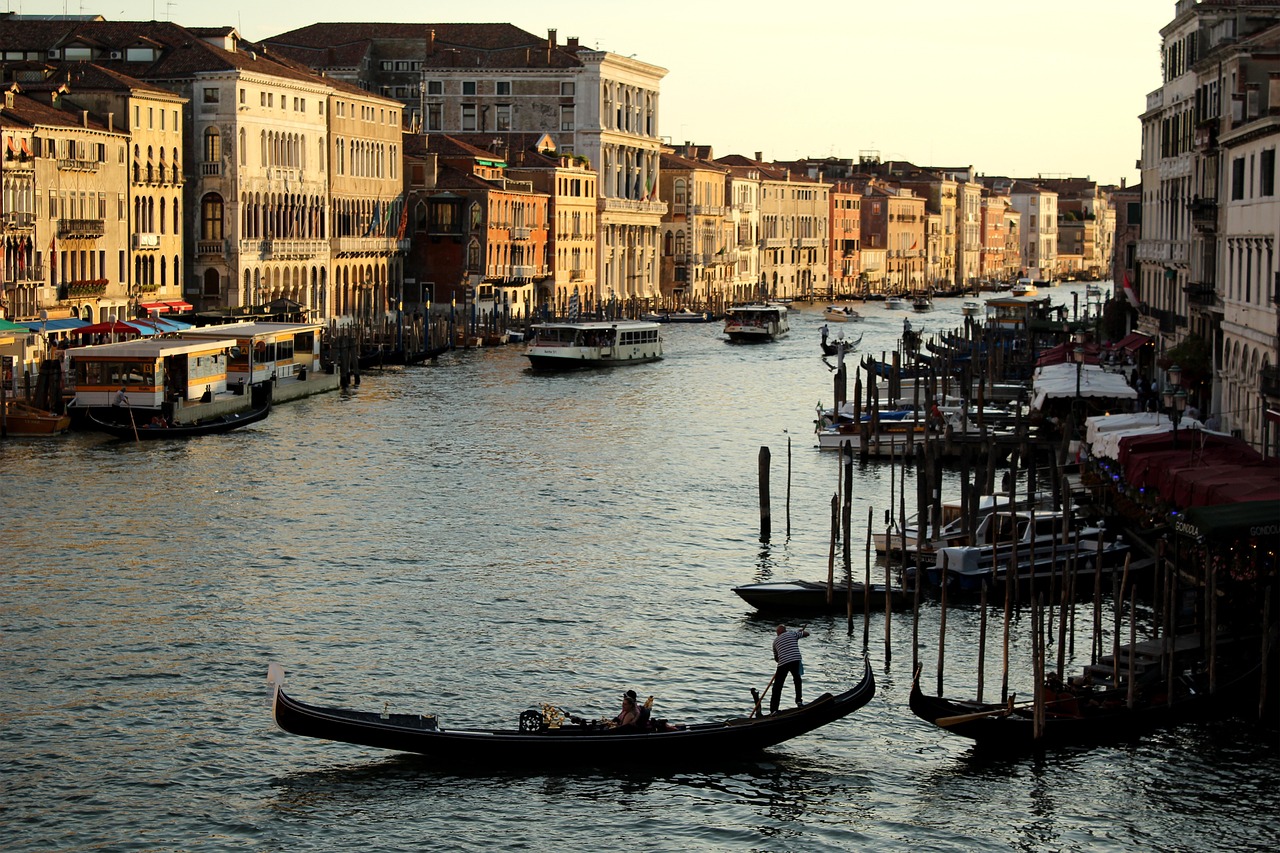
Venice is often described as a city overwhelmed by tourism, frozen in time, or slowly emptying out.
And yet, every morning, children go to school by boat, neighbors greet each other across bridges, groceries are delivered by handcart, and laundry dries in the wind between ancient walls.
Despite what headlines suggest, Venice is still one of the most lived-in historic cities in Italy. Not in theory. In daily, ordinary, human ways.
This article looks beyond statistics and stereotypes to explain why Venice is still very much alive, how people really live here, and what most visitors never notice — even when walking just a few steps away from the main landmarks.
Venice Is Not an Open-Air Museum
The idea that Venice is “just a museum” is one of the most persistent myths about the city.
Yes, Venice attracts millions of visitors. Yes, it hosts world-class events such as the Biennale, Carnival, and the Film Festival. But none of this replaces daily life — it exists alongside it.
Venice is a working city with:
- Public schools and universities
- Hospitals and clinics
- Sports clubs and rowing teams
- Neighborhood markets and bakeries
- Entire districts that function almost independently from tourism
Understanding this difference is why starting a stay with a Venice orientation walk with a local guide often changes visitors’ perceptions immediately.
Where Venetians Actually Live
Venetians don’t live in St. Mark’s Square.
They live in neighborhoods — each with its own rhythm, personality, and sense of community.
Areas such as Cannaregio, Castello, parts of Dorsoduro, Santa Croce, and Giudecca are not “hidden gems.” They are simply residential Venice.
Here you’ll find:
- Local bars filled at aperitivo time
- Children playing in campos after school
- Neighbors stopping to chat on bridges
- Shops that close for lunch because life still matters
Visitors who explore these areas — especially through off-the-beaten-path walking experiences — often realize Venice feels less crowded than expected.
How Daily Life Works in a City on Water
Living in Venice requires adaptation, patience, and creativity.
There are no cars. No garages. No door-to-door deliveries.
Everything moves on foot or by boat — groceries, furniture, medical supplies, construction materials, even Christmas trees.
This logistical reality shapes a strong sense of community. People rely on each other. Shopkeepers know their customers. Bar owners know who prefers sparkling water instead of still.
Venice is not efficient in a modern sense. But it is deeply human.
Yes, the Population Has Declined — Here’s the Real Context
Venice’s population has decreased over decades. This is true.
But the reasons are complex and often misunderstood.
What’s happening in Venice mirrors trends seen across many historic European city centers: aging populations, high maintenance costs, and younger generations seeking more space.
At the same time:
- New families are moving into restored apartments
- Young professionals are returning with remote work
- Artisans and creatives continue to open studios
- Local associations actively protect neighborhood life
Venice is changing — but it is not disappearing.
The Difference Between Visiting Venice and Understanding It
Many travelers spend time in Venice without ever really seeing how it functions.
They visit landmarks, wait in lines, and move on.
Others slow down, observe, and ask questions.
The second group discovers a city that:
- Still wakes early
- Still cooks at home
- Still argues about politics at the bar
- Still celebrates neighborhood traditions
This difference in perspective explains why Venice can feel either overwhelming or deeply welcoming — sometimes within the same trip.
Tourism and Local Life Can Coexist
Tourism is part of Venice’s identity. It has been for centuries.
The challenge is not tourism itself, but balance.
When visitors move beyond peak hours and crowded corridors, they naturally support a more sustainable city. Eating locally, walking thoughtfully, and using pre-booked tickets to avoid congestion all contribute to a healthier rhythm.
Venice does not ask visitors to stay away. It asks them to look closer.
Why Venice Still Feels Like Home to Its Residents
Ask Venetians why they stay, and you’ll rarely hear romantic clichés.
You’ll hear about:
- Walking everywhere
- Knowing your neighbors
- Living surrounded by beauty without chasing it
- A pace of life that resists unnecessary noise
Venice is demanding, but it gives back a sense of belonging that many modern cities no longer offer.
Experience the Living City, Not Just the Postcard
If you want to understand why Venice is still lived in, you need to experience it as more than a checklist of attractions.
Local insight, timing, and curiosity transform Venice from a destination into a place.
Discover the Living Venice With a Local Guide
Frequently Asked Questions
Do people still live in Venice full time?
Yes. Tens of thousands of residents live in Venice year-round, working, studying, raising families, and maintaining strong neighborhood communities.
Which areas of Venice are most residential?
Cannaregio, Castello, Giudecca, Santa Croce, and parts of Dorsoduro are among the most residential areas where daily Venetian life is most visible.
Can visitors experience real local life in Venice?
Yes. Visiting early in the day, exploring residential neighborhoods, and experiencing the city with local guidance all help reveal the everyday life behind Venice’s landmarks.