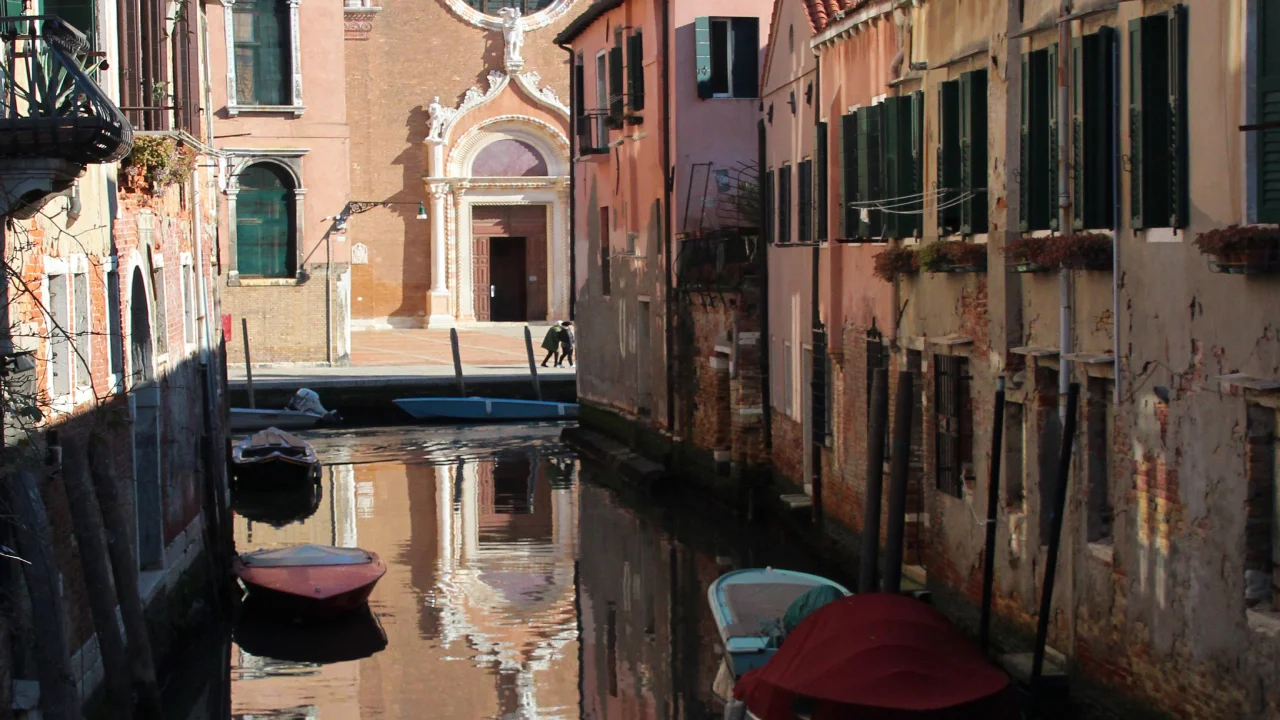
17 Non-Touristy Things to Do in Venice: The Honest Local Guide
Written by Igor Scomparin, Licensed Venice Guide since 1997
“We want to see the ‘real’ Venice, not just tourist attractions. What should we actually do?”
This request appears constantly from travelers who’ve seen enough Instagram photos of overcrowded San Marco Square and want to experience something beyond the postcard clichés — the Venice where actual Venetians live, the neighborhoods tourists rush past, the experiences that reveal what makes this city genuinely special versus simply photogenic.
The honest answer: Venice’s “hidden” experiences aren’t truly secret — Venetians know them, return visitors know them, and anyone willing to walk 10 minutes from major landmarks discovers them. But they remain “non-touristy” because most visitors stick to the San Marco-Rialto-Accademia triangle, creating the paradox where remarkable places stay relatively empty despite being easily accessible.
After 28 years living in Venice — watching neighborhoods evolve, understanding which “local” experiences actually serve tourists seeking authenticity versus which represent romanticized performances, knowing what Venetians genuinely value versus what marketing sells as “authentic” — I know that discovering non-touristy Venice requires more than lists of hidden locations. It requires understanding the difference between experiencing Venice versus consuming Venice.
The critical distinction: Non-touristy doesn’t mean “no tourists ever visit” — it means places and experiences where tourism hasn’t completely displaced local function, where you’re observing or participating in genuine Venetian culture rather than watching performances created for tourist consumption, where the rhythms follow Venetian needs rather than tour group schedules.
This is the completely honest guide — revealing 17 genuinely worthwhile non-touristy Venice experiences, explaining what makes each special, who they serve versus who they’ll disappoint, and providing the context that transforms activities from bucket-list checking into meaningful engagement.
1. The Jewish Ghetto (Cannaregio) — Where “Ghetto” Originated
What it actually is: The world’s first Jewish ghetto, established 1516 when Venice’s government confined the Jewish population to specific area (the Ghetto Nuovo, later expanded to Ghetto Vecchio). The word “ghetto” itself derives from the Venetian foundry (getto) that previously occupied the site.
Why it matters: This isn’t just historical footnote — it’s where systematic urban segregation of Jewish communities began, creating the model that spread across Europe. Five centuries of continuous Jewish presence created layered cultural heritage visible in architecture, synagogues, and community institutions that survived despite persecution, deportations, and demographic collapse.
What you’ll actually experience: Walking through campos surrounded by unusually tall buildings (Jewish residents built vertically when horizontal expansion was prohibited), visiting the Jewish Museum documenting local history, potentially touring one of five historic synagogues (guided tours available), encountering kosher restaurants and bakeries serving traditional Venetian-Jewish cuisine.
Who this serves: History enthusiasts interested in Jewish heritage specifically or minority community experiences generally. Architecture observers noting how constraint shaped building forms. Food explorers seeking distinctive culinary traditions. Anyone wanting to understand Venice beyond romantic clichés about palaces and canals.
The honest limitation: This is quiet cultural exploration, not entertainment. If you need constant stimulation or Instagram-worthy visuals, you’ll be bored. The significance is intellectual and cultural, not immediately spectacular.
Practical details: The Ghetto sits in northern Cannaregio, easily walkable from the train station (15 minutes) or accessible via vaporetto to Guglie or San Marcuola stops. The Jewish Museum charges admission (€12-15); synagogue tours require separate tickets and advance booking. We can integrate Ghetto visits into comprehensive neighborhood tours providing historical context that transforms observation into understanding.
2. Castello Residential Streets — Where Venetians Actually Live
What it actually is: Castello is Venice’s largest sestiere, stretching from San Marco’s eastern edge to the Arsenale shipyard and beyond. The eastern portions (past Via Garibaldi) remain genuinely residential — families raising children, elderly residents who’ve lived there for decades, working Venetians commuting daily to jobs.
Why it matters: Most tourists never venture past San Marco’s immediate surroundings, meaning Castello’s residential core remains functionally Venetian rather than tourism-dominated. You’ll see laundry hanging over canals (actual residents doing laundry, not decorative props), children playing in campos, elderly Venetians chatting on benches, neighborhood shops serving local needs rather than tourist desires.
What you’ll actually experience: Walking residential streets where the only tourists are lost or deliberate explorers. Encountering neighborhood markets, small bacari frequented by workers grabbing quick lunch, churches without admission charges or crowds. The atmosphere differs dramatically from San Marco — quieter, slower, more ordinary in ways that reveal how Venice functions as lived-in city versus open-air museum.
The specific streets worth seeking: Via Garibaldi (wide tree-lined promenade, unusual in Venice, with morning market stalls and neighborhood shops). The streets north of Via Garibaldi toward Giardini della Biennale. The areas around Campo Santa Maria Formosa and Campo Santi Giovanni e Paolo where residential and cultural Venice intersect.
Who this serves: Travelers interested in how Venetians actually live rather than romanticized gondola fantasies. Photographers seeking authentic daily life versus postcard clichés. Return visitors who’ve already covered major attractions and want deeper understanding. Anyone comfortable with unstructured wandering versus attraction-hopping.
The honest reality: There’s nothing obviously “to see” in residential Castello — no museums, no famous buildings, no clear photo opportunities. The value is atmospheric and observational. If you need defined attractions justifying time investment, this disappoints.
3. Squero di San Trovaso — Working Gondola Workshop
What it actually is: One of Venice’s last traditional gondola construction and repair yards (squeri), located in Dorsoduro near the Zattere waterfront. The workshop maintains and restores gondolas using techniques essentially unchanged for centuries.
Why it matters: Gondolas aren’t mass-produced in factories — they’re handcrafted one at a time by specialized artisans (squeraroli) using eight different wood types, 280 individual pieces, and months of skilled labor per boat. Watching actual work happening (when craftsmen are present) reveals the tradition behind what tourists experience as romantic tourist transport.
What you’ll actually see: From across the canal (you can’t enter the working yard itself), you’ll observe gondolas in various states of repair, occasionally craftsmen working (though work schedules vary and they’re not always visible), and the distinctive wooden structures housing the workshop. The view is photogenic and genuinely represents working Venetian craft tradition.
The contextual addition: Directly across the canal, Osteria al Squero serves drinks and cicchetti at outdoor tables with perfect squero views. Ordering a spritz and watching the yard from this vantage point creates the ideal observation setup.
Who this serves: Craft enthusiasts interested in traditional techniques. Photographers wanting authentic Venice working culture shots. Travelers who appreciate observing skilled labor versus passive museum visiting. Anyone seeking brief, atmospheric stops that don’t require hours of time investment.
The limitation: You’re observing from distance, not participating. The craftsmen aren’t performing for tourists — sometimes they’re visible working, sometimes the yard appears inactive. Managing expectations prevents disappointment when nothing dramatic is happening.
Practical access: Located near Campo San Barnaba in Dorsoduro, walkable from Accademia area or accessible via vaporetto to Zattere stop. No admission fee (you’re viewing from public space), though ordering drinks at Osteria al Squero is customary and enhances the experience.
4. Venice’s Hidden Gardens — Green Spaces Behind Stone Facades
The surprising reality: Venice contains 500+ private gardens hidden behind building facades, invisible from canals and streets unless you know where to access them. These range from tiny courtyard gardens to substantial green spaces with trees, flowers, and vegetable plots.
The access challenge: Most are private property — family palace gardens, institutional courtyards, residential spaces — not open to casual visitors. The frustration is knowing gardens exist but being unable to enter them.
The publicly accessible options:
Giardini Reali (Royal Gardens): Recently restored waterfront garden near San Marco, featuring 19th-century landscape design, tree-shaded paths, and Grand Canal views. Small but beautifully maintained, providing green relief from stone and water dominance.
Giardini della Biennale: Permanent park in eastern Castello hosting the Venice Biennale art exhibition. Outside Biennale periods, the gardens provide pleasant walking under mature trees with occasional sculpture installations. More park than formal garden, but genuinely green and peaceful.
Palazzo Nani Bernardo garden: Occasionally opens for special events or through pre-arranged group visits. When accessible, it reveals what private Venetian gardens actually contain — careful landscaping within constrained space, fruit trees, ornamental plantings.
Who this serves: Nature-deprived visitors craving greenery after days of stone architecture and water. Photographers seeking non-obvious Venice imagery. Travelers who appreciate gardens generally and want to see how Venetians adapted this tradition to island constraints.
The honest limitation: Venice isn’t garden-focused city — the geography and density work against extensive green space. If you’re expecting English manor house gardens or expansive urban parks, you’ll be disappointed. These are small-scale adaptations to difficult circumstances, interesting more for what they represent than for horticultural spectacle.
5. Sant’Erasmo Island — Venice’s Agricultural Hinterland
What it actually is: Large, flat island in the northern lagoon where Venetians grow vegetables — particularly the famous castraure artichokes and violet artichokes that appear seasonally in markets. The island functions as Venice’s market garden, producing fresh vegetables transported daily to the city.
Why it’s genuinely non-touristy: Sant’Erasmo receives minimal tourist traffic because there’s nothing obviously “to see” — no famous landmarks, no museums, no picturesque colored houses like Burano. It’s agricultural working landscape, which most tourists find boring.
What you’ll actually experience: Flat terrain suitable for cycling (bike rentals available), fields and greenhouses producing vegetables, small vineyards, the relaxing absence of crowds, fundamentally different landscape than Venice proper. The experience is rural and quiet versus urban and stimulating.
Who this serves: Travelers wanting escape from Venice’s intensity. Cyclists who enjoy flat, easy riding. Wine enthusiasts visiting small lagoon vineyards. Food lovers interested in where Venetian market produce actually grows. Anyone comfortable with agricultural landscapes versus architectural spectacle.
The practical reality: Reaching Sant’Erasmo requires vaporetto Line 13 from Fondamente Nove (30-40 minutes). Services run every 30-60 minutes, meaning you’re committed to staying several hours or risk long waits for return boats. Limited food options exist on the island, so bring provisions or plan around the few available establishments.
The honest assessment: Sant’Erasmo rewards specific interests (cycling, agriculture, wine, escape) but bores general tourists expecting constant visual stimulation. Honest self-assessment about whether you actually want quiet agricultural island versus thinking you “should” want non-touristy experiences determines whether this serves you.
6. Ca’ Pesaro Modern Art Museum — Quality Without Crowds
What it actually is: Palazzo Ca’ Pesaro (grand 17th-century Baroque palace designed by Baldassare Longhena) housing Venice’s Modern Art Museum (Galleria Internazionale d’Arte Moderna) and the Museum of Oriental Art.
Why it’s non-touristy despite quality: Most tourists prioritize Accademia Gallery (Renaissance/Baroque Venetian art), Peggy Guggenheim Collection (20th-century modern art), and Doge’s Palace (Venetian political art and architecture). Ca’ Pesaro, despite holding works by Klimt, Chagall, Kandinsky, Rodin, and other major figures, receives fraction of visitor numbers.
What you’ll actually see: Rotating exhibitions of 19th and 20th-century art (Impressionism through contemporary), the museum’s permanent collection strong in early modern European art, stunning palazzo interiors with original Baroque ceilings and architectural details, and Grand Canal views from upper-floor windows.
Who this serves: Art enthusiasts specifically interested in modern/contemporary work versus Renaissance classics. Travelers who’ve already visited the Accademia and want different art historical periods. Anyone seeking quality museum experiences without Accademia-level crowds. Architecture observers wanting to see spectacular Baroque palazzo interiors.
The value proposition: Museum Pass covers Ca’ Pesaro plus several other institutions (Doge’s Palace, Correr Museum, Ca’ Rezzonico), making it economical if visiting multiple museums. Skip-the-line advance tickets available though rarely necessary given lower visitor volume.
The practical details: Located on the Grand Canal in Santa Croce sestiere, accessible via vaporetto to San Stae stop. Standard museum hours (typically 10 AM-5 PM, closed Mondays — verify current schedule). Plan 90 minutes to 2 hours for comprehensive visit.
7. Traditional Artisan Workshops — Supporting Living Craft Heritage
The cultural context: Venice’s traditional crafts — glass-making, lace-making, mask-making, bookbinding, marbled paper (carta marmorizzata), textile production — face extinction as mass tourism creates demand for cheap imported imitations sold as “Venetian” while pricing actual artisans out of workspace.
The tourist paradox: Tourists want “authentic” Venetian crafts but often buy Chinese-made fakes because they cost €10 versus €100+ for genuine artisan work. The economic pressure threatens the very traditions tourists claim to value.
The workshop opportunity: Hands-on workshops with actual artisans provide both authentic experience and economic support for endangered crafts. You’re learning genuine techniques from skilled practitioners, creating your own piece (however amateur), and contributing income that helps artisans survive.
What’s actually available:
Mask-making workshops: Learning how traditional Venetian Carnival masks are sculpted, molded, and decorated — the techniques behind what you see in shop windows.
Marbled paper creation: The centuries-old technique of floating pigments on liquid surface, manipulating them into patterns, then transferring to paper.
Glass-bead jewelry: Working with actual Venetian glass beads (not Chinese imports) to create jewelry using traditional techniques.
Textile and fabric work: Learning historical Venetian textile traditions, possibly working with luxury fabrics from establishments like Rubelli.
Who this serves: Craft enthusiasts who appreciate skilled manual work. Travelers wanting participatory experiences versus passive observation. Anyone seeking meaningful souvenirs they created themselves rather than generic purchases. People who understand their workshop fee supports endangered cultural heritage.
The honest limitation: You’re not becoming master artisan in 2-hour workshop — you’re getting beginner-level introduction to complex traditions requiring years to truly master. Managing expectations prevents disappointment when your amateur creation doesn’t match artisan quality.
8. Scala Contarini del Bovolo — The Hidden Spiral Staircase
What it actually is: External spiral staircase (scala means “staircase,” bovolo means “snail” in Venetian dialect) attached to 15th-century Palazzo Contarini del Bovolo, providing access to belvedere platform with panoramic Venice views.
Why tourists miss it: The palazzo sits in quiet courtyard off narrow calle near Campo Manin — you’d walk past the entrance without noticing unless specifically seeking it. The lack of obvious signage or prominent location keeps visitor numbers manageable despite being photogenic and worthwhile.
What you’ll experience: Climbing the distinctive spiral staircase with its multiple arched loggias creating elegant ascending pattern. Reaching the upper belvedere for rooftop-level views across Venice showing terracotta tiles, bell towers, and urban fabric invisible from ground level. The architecture itself is remarkable — late Gothic/early Renaissance hybrid design unlike anything else in Venice.
The practical reality: Admission charged (€8-10), timed entry sometimes required during peak periods. The climb involves multiple flights of stairs (manageable for most visitors but note for mobility-limited travelers). Visit duration approximately 30-45 minutes including climb and belvedere time.
Who this serves: Architecture enthusiasts appreciating unusual design solutions. Photographers wanting elevated Venice perspectives without climbing St. Mark’s Campanile with massive crowds. Travelers who enjoy discovering lesser-known gems versus checking off famous landmarks.
The timing recommendation: Late afternoon/golden hour provides best light for both the staircase photography and the views from the top. Early morning also works well with fewer visitors.
9. Local Rowing Clubs (Remiere) — Where Venetians Row
What they actually are: Traditional rowing clubs (remiere) scattered throughout Venice where locals practice voga alla veneta — the distinctive standing rowing technique used for gondolas and traditional Venetian boats. These are membership-based community organizations, not tourist attractions.
Why they matter: Rowing represents genuine Venetian heritage that survived the tourist economy transformation — locals maintaining traditional skills for cultural preservation and recreation, not commercial gondola operation.
The observation opportunity: Some remiere allow visitors to watch training sessions or learn about traditional boats and techniques. The experience is observational more than participatory unless you arrange specific lessons through clubs offering beginner instruction.
The major events: Regata Storica (first Sunday of September) is Venice’s premier traditional rowing competition, featuring races in historic boats by crews wearing period costumes. Multiple race categories throughout the day create spectacular Grand Canal spectacle.
Summer regattas occur frequently throughout warmer months, usually in evening, providing regular opportunities to watch competitive voga alla veneta.
Who this serves: Sports enthusiasts interested in traditional athletic practices. Travelers wanting to see Venetians engaged in cultural activity versus tourist-serving work. Anyone fascinated by boats, rowing, or maritime heritage.
The participation possibility: Some clubs and specialized operators offer beginner rowing lessons teaching basic voga alla veneta technique in traditional boats. These experiential programs allow actual participation rather than just observation, though they require advance arrangement and appropriate expectations about skill development in single session.
10. San Michele Island Cemetery — Meditation Among Cypresses
What it actually is: Island cemetery between Venice and Murano, established early 19th century when Napoleon’s regulations prohibited burial within Venice proper. The entire island functions as cemetery, enclosed by brick walls, filled with cypress trees, monuments, and family crypts.
Why it’s non-touristy: Cemeteries aren’t typical tourist destinations unless containing famous graves. Most visitors skip San Michele entirely, making it genuinely quiet despite easy vaporetto access.
The notable burials: Ezra Pound (American poet who spent final years in Venice), Igor Stravinsky (composer whose Venetian connection ran deep), Joseph Brodsky (Russian poet and Nobel laureate), and various Venetian notables spanning centuries.
What you’ll experience: Profound quiet broken only by bird songs and distant boat engines. Tree-shaded paths between monuments and graves. Architecture ranging from simple markers to elaborate family crypts. The atmosphere is contemplative and melancholy — beautiful in the way that well-maintained cemeteries often are.
Who this serves: Travelers comfortable with cemetery visiting as cultural/aesthetic activity. Literature and music enthusiasts seeking graves of specific figures. Anyone needing escape from Venice’s intensity into genuinely peaceful environment. Photographers attracted to cemetery atmospherics and architecture.
The practical details: Vaporetto lines 4.1, 4.2, and others stop at Cimitero (cemetery). Entry is free, cemetery open daylight hours (verify seasonal schedules). Plan 45-60 minutes for comprehensive visit.
The respectful approach: This is functioning cemetery where Venetians visit family graves. Maintain appropriate quiet and respect. Photography is generally acceptable but avoid intruding on private mourning moments.
11. Cannaregio Bacari Culture — Eating Where Venetians Eat
The bacari tradition: Bacari are traditional Venetian wine bars serving small plates (cicchetti) and local wine, functioning as neighborhood gathering spaces where Venetians drink standing at bars, engage in quick social interactions, then move on. This differs from sit-down restaurant dining, representing more casual, authentically Venetian food culture.
Why Cannaregio specifically: While bacari exist throughout Venice, Cannaregio maintains particularly strong neighborhood character with establishments genuinely serving local clientele rather than exclusively targeting tourists. The area’s residential density supports bacari functioning as community spaces versus tourist experiences.
What you’ll actually eat: Cicchetti range from simple (marinated olives, hard-boiled eggs, bread with toppings) to complex (baccalà mantecato — creamed stockfish, sarde in saor — sweet-sour sardines, polpette — meatballs, various seafood preparations). Portions are small (2-3 bites), prices low (€1-3 per piece), allowing sampling multiple items.
The proper bacaro etiquette: Order at bar, eat standing or at bar rather than demanding table service, pay as you go or settle tab when leaving (depending on establishment), consume your cicchetti then move on rather than occupying space for hours.
Who this serves: Food explorers wanting authentic Venetian eating culture. Budget-conscious travelers (cicchetti and wine create satisfying meals for €15-20 versus €40-60 restaurant dinners). Social travelers who enjoy casual bar atmosphere. Anyone interested in how Venetians actually eat versus tourist restaurant performances.
We organize guided bacari experiences introducing multiple establishments, explaining what you’re eating, providing cultural context that transforms casual snacking into educational food tourism.
12. Lido di Venezia Off-Season — Belle Époque Beach Without Crowds
What Lido actually is: Long barrier island separating Venetian lagoon from Adriatic Sea, developed as resort destination during late 19th/early 20th century Belle Époque period. The island features wide beaches, tree-lined streets, Art Nouveau villas, and fundamentally different character than Venice proper.
The seasonal transformation: Summer Lido: Beach clubs, tourists, crowding, heat, the Venice Film Festival (late August/early September) bringing international celebrities and film industry professionals.
Off-season Lido: Empty beaches, quiet streets, local life without tourist overlay, melancholy beauty of resort town outside tourist season.
Why off-season works better: The architecture, the landscapes, and the island character remain while crowds disappear. Spring or autumn Lido provides peaceful escape from Venice intensity without the summer beach scene.
What you’ll experience: Cycling wide streets under plane trees, walking empty beaches, observing Art Nouveau architecture without tourist crowds, drinking coffee at seaside cafés in quiet contemplation.
Who this serves: Travelers needing psychological break from Venice’s density and intensity. Architecture enthusiasts interested in Belle Époque resort development. Cyclists wanting flat, easy riding (Lido’s width and length accommodate extensive cycling routes). Anyone seeking beach atmosphere without summer crowds.
The practical access: Frequent vaporetti (Lines 1, 5.1, 5.2, 6) reach Lido from Venice in 15-20 minutes. Bike rentals available near vaporetto stops. The island is small enough to explore in half-day but rewards full-day visits allowing leisurely pacing.
13. Murano Beyond the Glass Shops — Museum and Authentic Workshops
The Murano problem: Most tourists experience Murano as gauntlet of glass shops selling mixture of genuine Murano glass and cheap imports, with aggressive sales tactics and tourist-trap atmosphere. This creates impression that Murano is purely commercial operation versus island with genuine glass-making tradition.
The better Murano experience:
Museo del Vetro (Glass Museum): Documents centuries of Murano glass-making history through historical pieces, technical explanations, and contemporary works. Understanding the tradition’s evolution from Renaissance to present provides context missing from shop-focused visits.
Authentic furnaces with master glassblowers: Legitimate glass-making demonstrations showing how molten glass is shaped, colored, and transformed into finished pieces. The skill involved becomes apparent when watching masters work versus simply seeing finished products in shops.
Hands-on glassblowing experiences: Attempting (with master assistance) to create simple glass piece yourself reveals the difficulty and skill required, generating appreciation for craft versus treating it as commodity shopping.
Who this serves: Craft enthusiasts genuinely interested in glass-making tradition. Art observers wanting to understand techniques behind what they see in museums and shops. Anyone seeking educational cultural experiences versus pure shopping excursions.
The shopping component: If you do buy Murano glass, seek Vetro Artistico® Murano trademark (indicates genuine Murano production) and buy directly from furnaces or certified galleries rather than from random shops that might sell imports labeled “Murano glass.”
14. Cinema Giorgione — Art House Theater in Cannaregio
What it actually is: Small independent cinema in Cannaregio screening art films, international cinema, documentaries, and classic revivals in original languages (often with Italian subtitles, sometimes English-language films).
Why it’s non-touristy: Movie theaters aren’t typical tourist activities, especially non-English-language art cinema requiring attention and engagement versus blockbuster entertainment.
What you’ll experience: Sitting in retro cinema interior (the theater maintains period atmosphere versus modern multiplex sterility), watching films that commercial Venice cinemas don’t program, sharing space with Venetian cinephiles rather than tour groups.
Who this serves: Film enthusiasts who enjoy cinema culture beyond Hollywood blockbusters. Travelers comfortable with Italian-language films or those screening in English. Anyone seeking evening activities beyond restaurant dinners. Rainy-day refuge when outdoor plans fail.
The practical reality: Check programming in advance (schedules available online). Evening showings typical (7 PM, 9 PM slots). Tickets inexpensive (€7-10). The experience is low-key cultural activity versus spectacular tourist event.
15. Neighborhood Festivals (Feste and Sagre) — Community Celebrations
What they actually are: Local festivals organized by neighborhood communities or religious parishes, featuring food stalls, live music, social dancing, and celebrations of patron saints or seasonal events.
Why they’re genuinely non-touristy: These exist for Venetian community building, not tourist entertainment. You’re observing (or participating in) actual local social life rather than performances created for visitors.
The major examples:
Festa del Redentore (Third weekend of July): Major Venetian celebration on Giudecca island commemorating city’s deliverance from 1576 plague. Temporary bridge built across Giudecca Canal, massive fireworks display, Venetians eating traditional dinner on boats.
Festa di San Pietro di Castello (Late June): Neighborhood festival in eastern Castello celebrating San Pietro patron saint with food stalls, music, and community gathering.
Various summer sagre (food festivals): Throughout June-September, different neighborhoods host sagre celebrating specific foods — grilled fish, local wine, seasonal produce — with outdoor eating, live music, and socializing.
Who this serves: Travelers who enjoy community festivals generally. Food explorers wanting casual outdoor eating versus formal restaurants. Anyone seeking Venetian social life versus tourist-oriented entertainment. Travelers whose visits happen to coincide with festival dates (these occur seasonally, not year-round).
The timing challenge: Most feste occur June-September, particularly July-August. Off-season visitors miss this dimension of Venetian life entirely. The festivals aren’t published far in advance through tourist channels, requiring local knowledge or luck to encounter them.
16. Palazzo Grimani — Renaissance Hidden Gem
What it actually is: 16th-century Renaissance palazzo near Campo Santa Maria Formosa, recently restored and opened as museum showcasing both the building itself and rotating art exhibitions.
Why tourists miss it: Despite proximity to relatively visited Santa Maria Formosa church, Palazzo Grimani doesn’t appear on most tourist itineraries. The palace isn’t famous like Doge’s Palace or Ca’ Rezzonico, creating situation where exceptional Renaissance interiors remain largely unvisited.
What you’ll see: Extraordinary frescoed rooms recreating how wealthy Venetian families lived during Renaissance. Collection of Roman sculpture assembled by palace’s original owners. Rotating contemporary art exhibitions providing dialogue between historic spaces and modern work.
Who this serves: Architecture and design enthusiasts interested in Renaissance palazzo interiors. Art lovers wanting to see how contemporary work interacts with historic spaces. Return visitors who’ve exhausted major museums and seek lesser-known quality. Anyone appreciating the quiet discovery of beautiful spaces without crowds.
The admission reality: Sometimes free or very low-cost depending on exhibition schedule. Part of Venice’s civic museum system but receives fraction of visitor numbers that more famous venues attract.
17. Sunrise at Punta della Dogana — Venice in Silence
What it actually is: The geographical point where the Grand Canal meets the Giudecca Canal and the Bacino di San Marco (St. Mark’s Basin), located at Dorsoduro’s southern tip. The Punta della Dogana building (former customs house) now houses contemporary art collection, but the exterior tip provides spectacular views.
Why sunrise specifically: Venice at dawn is fundamentally different city than Venice at midday. The tourist crowds haven’t arrived, cruise passengers haven’t disembarked, locals are just beginning morning routines. The light transforms architecture and water into something approaching the romantic Venice of historical paintings versus the crowded Venice of contemporary tourism.
What you’ll experience: Profound quiet broken only by boat engines and seabirds. Golden sunrise light illuminating San Marco Basin, Salute church, and Grand Canal entrance. The sensation of having Venice essentially to yourself, experiencing the city’s physical beauty without human overlay.
Who this serves: Photographers seeking optimal light and empty compositions. Contemplative travelers wanting Venice without crowds. Early risers who find morning exploration more rewarding than nightlife. Anyone seeking the Venice that inspired centuries of artists and writers versus the Venice of mass tourism.
The practical requirement: Actually waking up early (5:30-6:30 AM depending on season) and getting to Dorsoduro’s southern tip before sunrise. This requires discipline and accommodation relatively close to the location or willingness to walk/take early vaporetti.
The Honest Assessment: What “Non-Touristy” Actually Means
Before pursuing hidden Venice based on this or any list, understanding what you’re actually seeking prevents disappointment.
The Paradox of Published “Hidden” Lists:
Once something appears on “hidden Venice” lists (like this one), it’s no longer truly hidden — it’s published knowledge available to anyone who searches online. The activities above aren’t secret, they’re simply less-visited than San Marco and Rialto.
The real distinction: Non-touristy doesn’t mean “no tourists” — it means places where tourism hasn’t completely displaced local function, where you’re experiencing genuine Venetian culture rather than tourism performance.
What Actually Creates “Local” Experience:
It’s not just going to different locations — it’s engaging differently with Venice overall:
- Walking aimlessly rather than rushing between attractions
- Observing daily Venetian life rather than constantly photographing
- Eating at neighborhood bacari rather than tourist restaurant traps
- Respecting residential spaces rather than treating all Venice as theme park
- Understanding what Venetians actually value versus romantic tourist fantasies
The Authentic vs. Performance Distinction:
Some “local experiences” marketed to tourists are performances of authenticity rather than genuine culture — gondola serenades, costumed Carnival operators, “secret” tours that 50 other groups take daily.
Genuine non-touristy experiences happen where Venetians are doing things for themselves, not for tourist consumption — neighborhood markets, local festivals, residential campos where elderly Venetians chat on benches.
Contact Us for Genuinely Thoughtful Venice Exploration
If these non-touristy experiences interest you and you want guidance distinguishing authentic from performance, we provide consultation and tours serving travelers seeking depth over breadth.
We’ll help you:
- Identify which “hidden” experiences actually match your interests versus which represent bucket-list checking
- Design itineraries balancing major attractions with non-touristy discoveries
- Connect with artisan workshops and cultural experiences
- Understand Venetian neighborhoods beyond surface observations
- Navigate bacari culture with proper context
Our 28 years living in Venice means we distinguish genuine local culture from tourist performances marketed as “authentic,” understand which hidden experiences reward which traveler types, and provide honest guidance about what’s achievable versus romanticized.
Plan Your Beyond-the-Obvious Venice Experience
For neighborhood understanding: Which sestiere fits your style reveals residential Venice.
For food culture: Bacari guide and avoiding tourist traps.
For hands-on experiences: Artisan workshops supporting endangered crafts.
For comprehensive guidance: Private tours revealing Venice beyond postcards.
For realistic planning: How many days you need determines whether non-touristy exploration fits your timeline.
For daily life context: How Venetians actually live understanding the reality behind tourism.
Non-Touristy Venice Isn’t About Secret Locations — It’s About Engaging Differently With the Entire City
After 28 years living in Venice and being featured by Rick Steves, NBC, and US Today, I know that the most meaningful “non-touristy” experiences come from approach rather than destination — walking without agenda, observing daily Venetian life, eating where locals eat, respecting residential spaces, understanding context beyond surface beauty. The 17 experiences above provide starting points, but genuine discovery requires curiosity, patience, and willingness to value atmosphere over attractions. Contact us for guidance distinguishing authentic culture from tourism performances and designing experiences matching what you actually value versus what lists tell you to seek. Let’s create Venice exploration serving your genuine interests rather than checking hidden-gem boxes.
Contact us for thoughtful non-touristy Venice guidance — beyond lists into genuine understanding.
Frequently Asked Questions
How can I experience Venice like a local instead of following tourist crowds?
How can I experience Venice like a local instead of following tourist crowds?
Start by exploring residential neighborhoods where Venetians actually live — eastern Castello, northern Cannaregio, parts of Dorsoduro and Santa Croce away from major attractions. Visit markets early morning when locals shop (Rialto 7-9 AM), eat at bacari rather than tourist restaurants, walk without specific destination allowing spontaneous discovery. Critically, “like a local” doesn’t mean pretending you’re Venetian (you’re not, and locals know this) — it means respecting the city as someone’s home rather than treating it as theme park, observing daily life without constantly photographing it, and engaging Venice’s complexity versus consuming surface beauty. Our tours provide context transforming observation into understanding rather than simply pointing you toward “hidden” locations you’d discover anyway with patience.
Are there workshops or hands-on experiences showing real Venetian traditions?
Yes — Venice maintains living craft traditions despite tourism pressure threatening them economically. You can participate in mask-making workshops learning traditional Carnival mask creation techniques, marbled paper (carta marmorizzata) workshops demonstrating how artisans create distinctive patterned papers, glass-bead jewelry using genuine Murano glass, and textile work with luxury Venetian fabrics. The key is seeking actual artisan-taught workshops versus tourist-performance “workshops” where you’re assembling pre-made components rather than learning genuine techniques. Each workshop you attend provides income helping endangered crafts survive — your participation matters economically beyond personal experience. We coordinate access to legitimate artisan workshops ensuring you’re supporting actual craft preservation rather than contributing to the cheap-import market destroying what you’re claiming to value.
What’s the best way to see Venice’s quieter side from the water?
The most accessible approach is strategic vaporetto use — Line 4.1/4.2 circling Venice’s perimeter shows the city from outside-looking-in perspective that major Grand Canal routes don’t provide. Early morning or evening vaporetti (before 8 AM or after 7 PM) operate with far fewer tourists, allowing water-based mobility without crushing crowds. For genuinely quiet water experiences, lagoon island visits (Murano, Burano, Torcello, Sant’Erasmo) remove you from Venice proper entirely into slower, less-crowded island environments. The most exclusive approach involves private boat tours navigating narrow canals where large vaporetti can’t reach — these provide both crowd avoidance and access to Venice’s less-visible waterways, though they cost substantially more than public transport. The romantic gondola rides tourists imagine are actually crowded, tourist-heavy experiences on Grand Canal and major routes; genuine quiet water experiences require either strategic timing on public boats or investing in private alternatives.